Horas Mias (Hours of Mine)
2026
Archive photography, Ceramics, Dummy Photobook


Horas Mías (“Hours of Mine”) began with the discovery of my grandmother’s personal diary, written over a period of three months after she was diagnosed with early-stage Alzheimer’s disease and encouraged to exercise her memory. Through these everyday notes, intervened family photographs, ceramic objects, and a glossary, the project reconstructs memories, stories, and real and imagined scenes. The work reflects on memory and its deterioration, but also on aging and the different forms of loss that come with it, such as loss of autonomy, physical fragility, frustration, loneliness, and nostalgia. It also explores women’s domestic lives and the often invisible work of caregiving.
296 paginas
Spanish-English
17x24 cm
see more
296 paginas
Spanish-English
17x24 cm
see more
Meine liebe Jus
2025
Photography, fanzine


“When our cat died, it was the first time I saw my father cry. Since I moved to Berlin, he started an email exchange with me, sharing deeply personal thoughts and feelings. Almost every email came with an attachment: a photo of a kitten.”
32 pages
14,8 x 21 cm
Special edition of 25 copies
metaninfas editions
2025
see more
32 pages
14,8 x 21 cm
Special edition of 25 copies
metaninfas editions
2025
see more
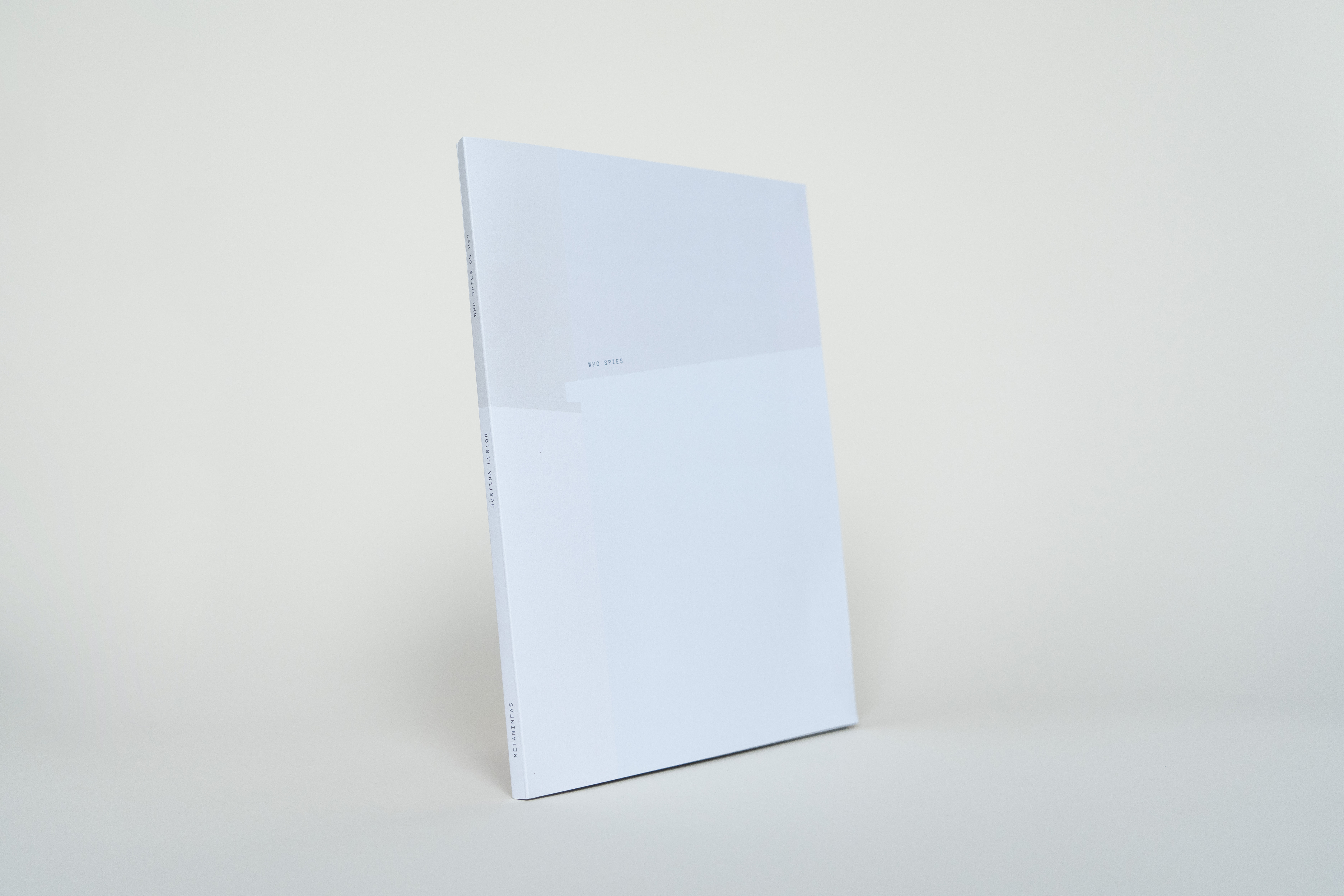
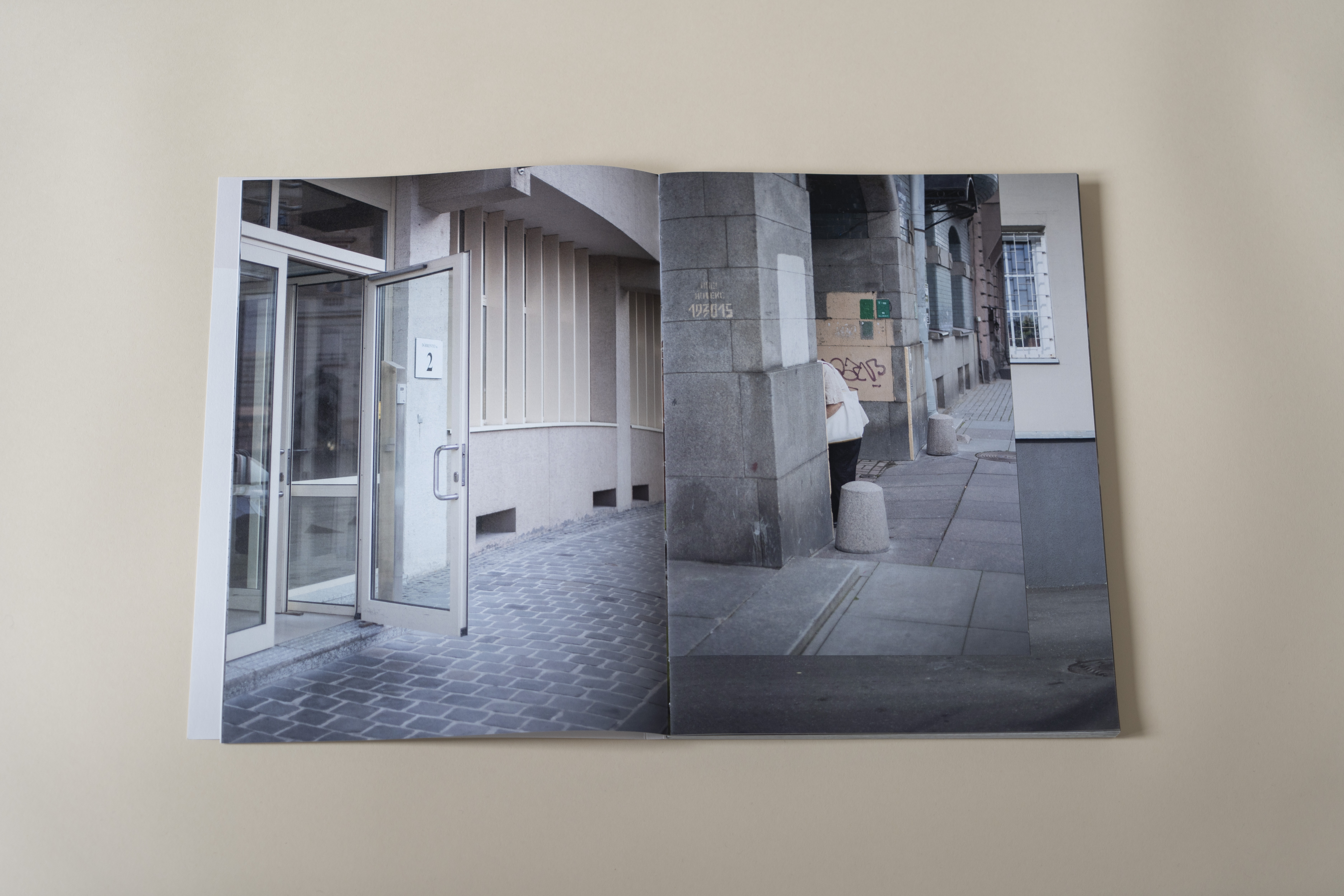
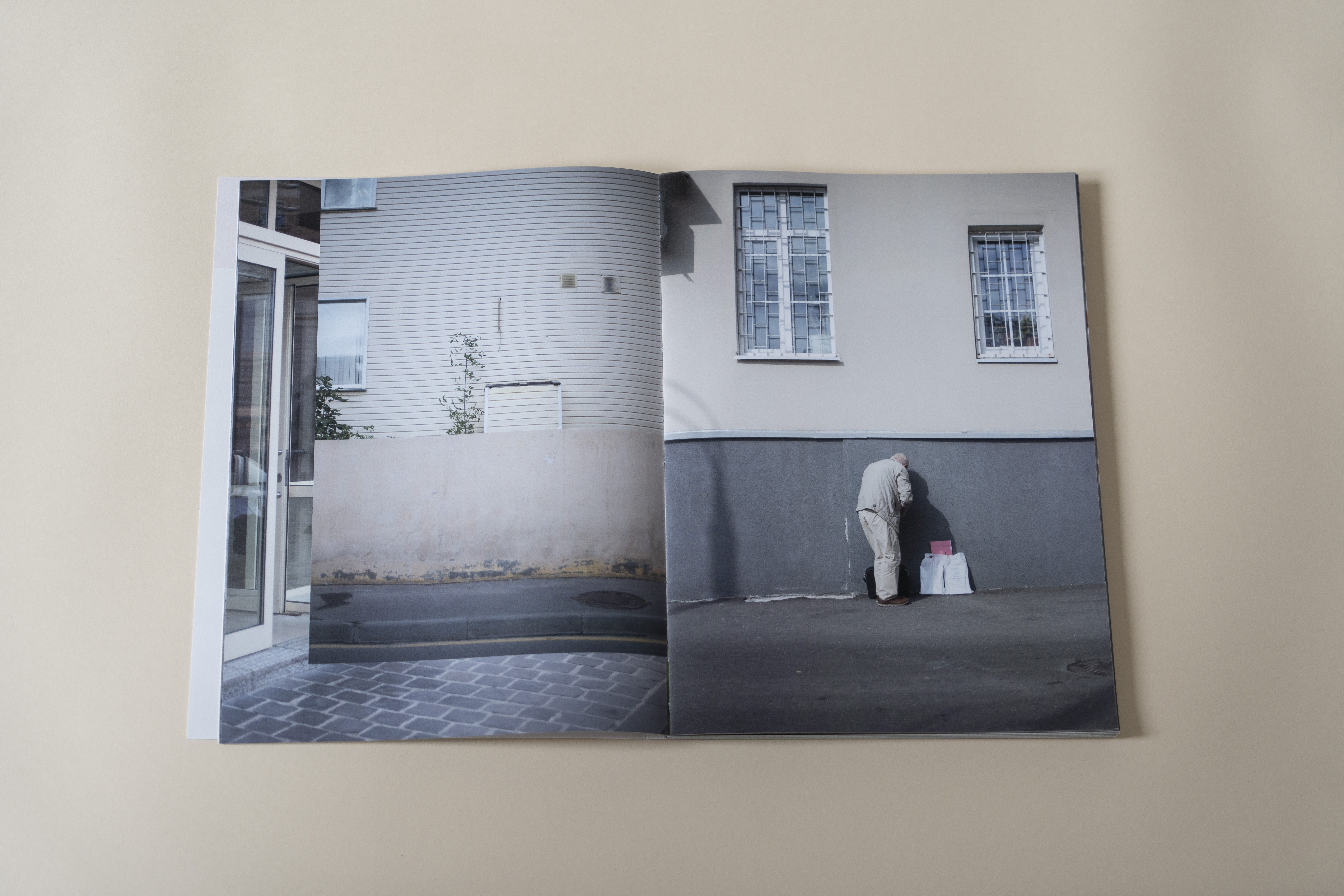
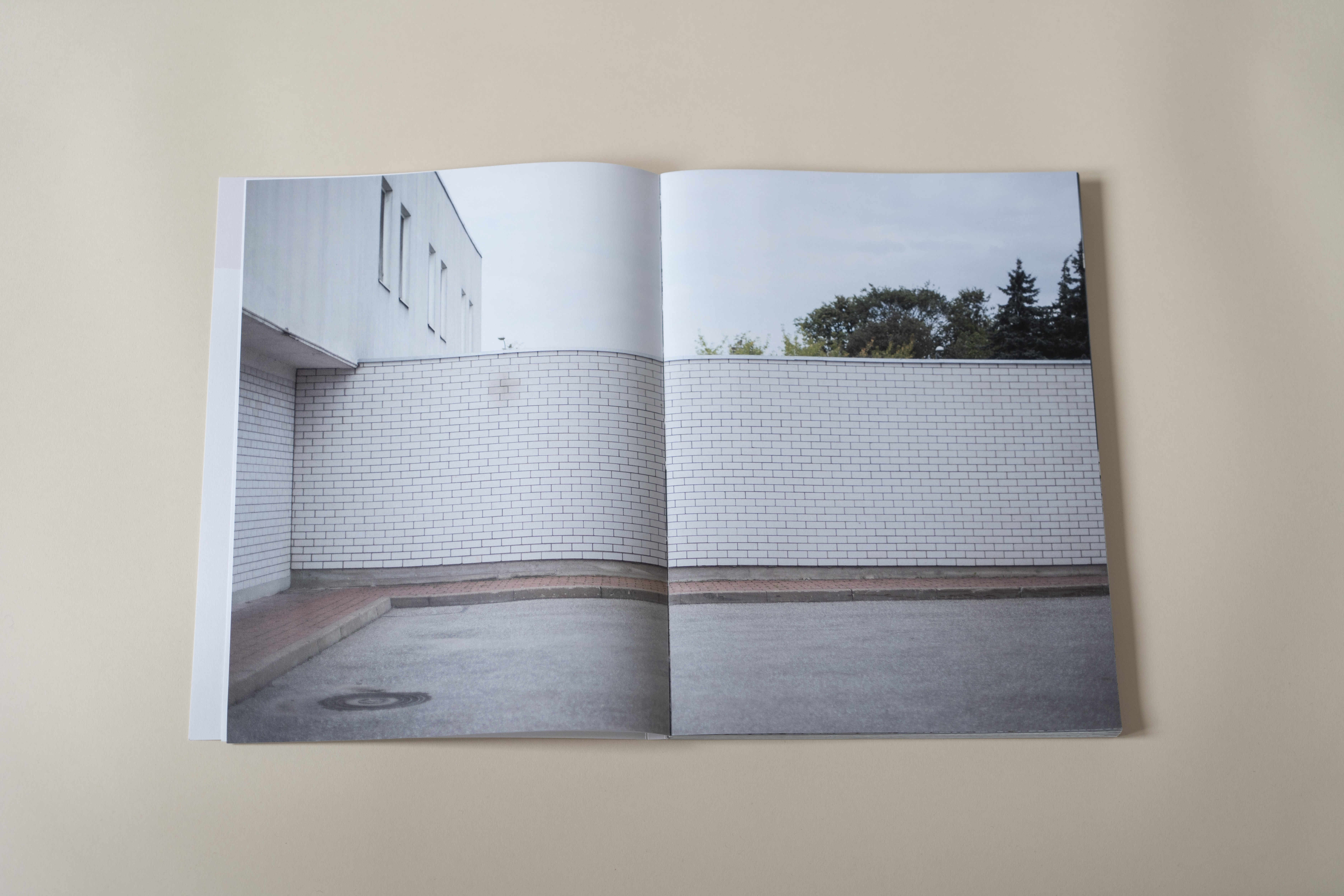
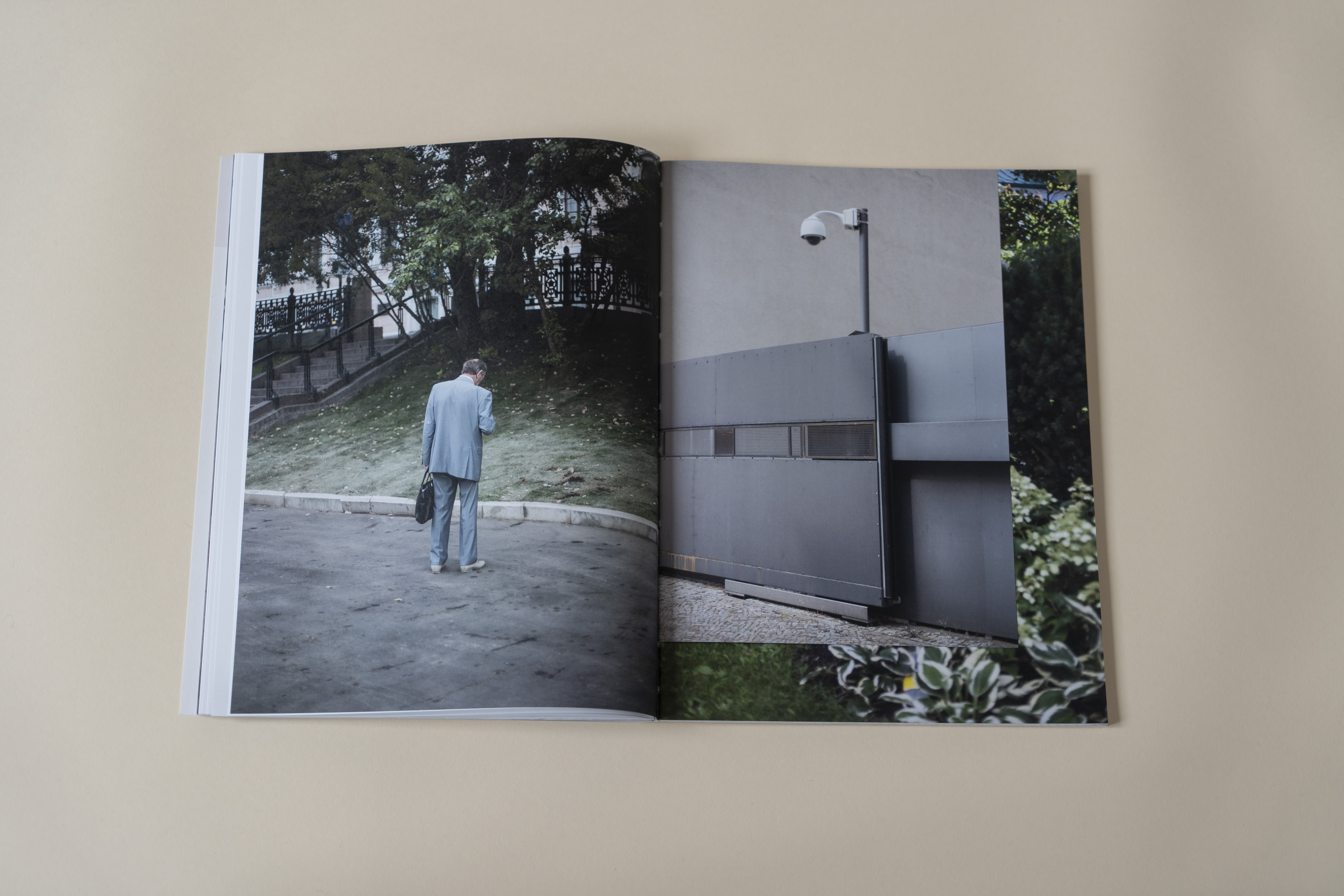
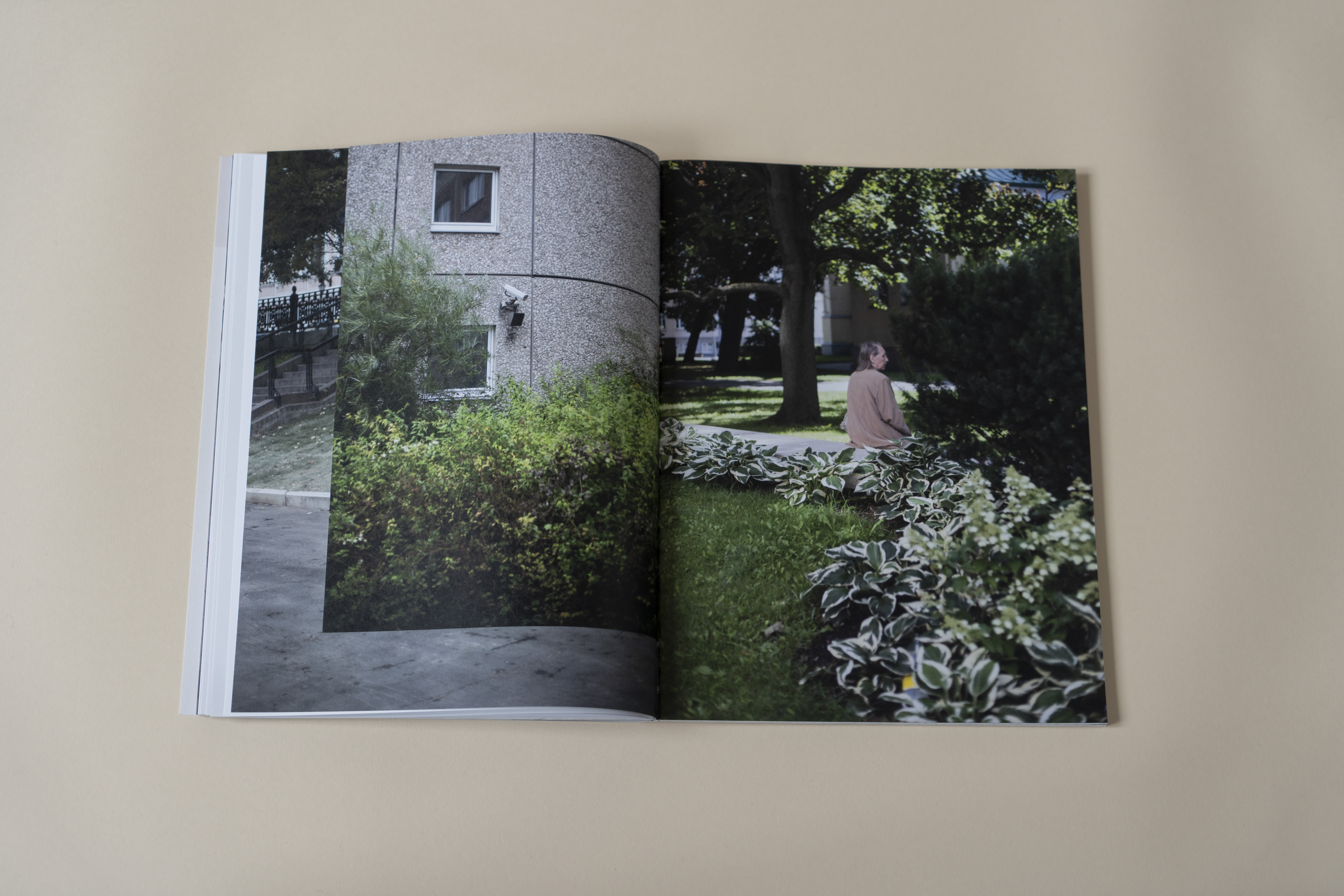

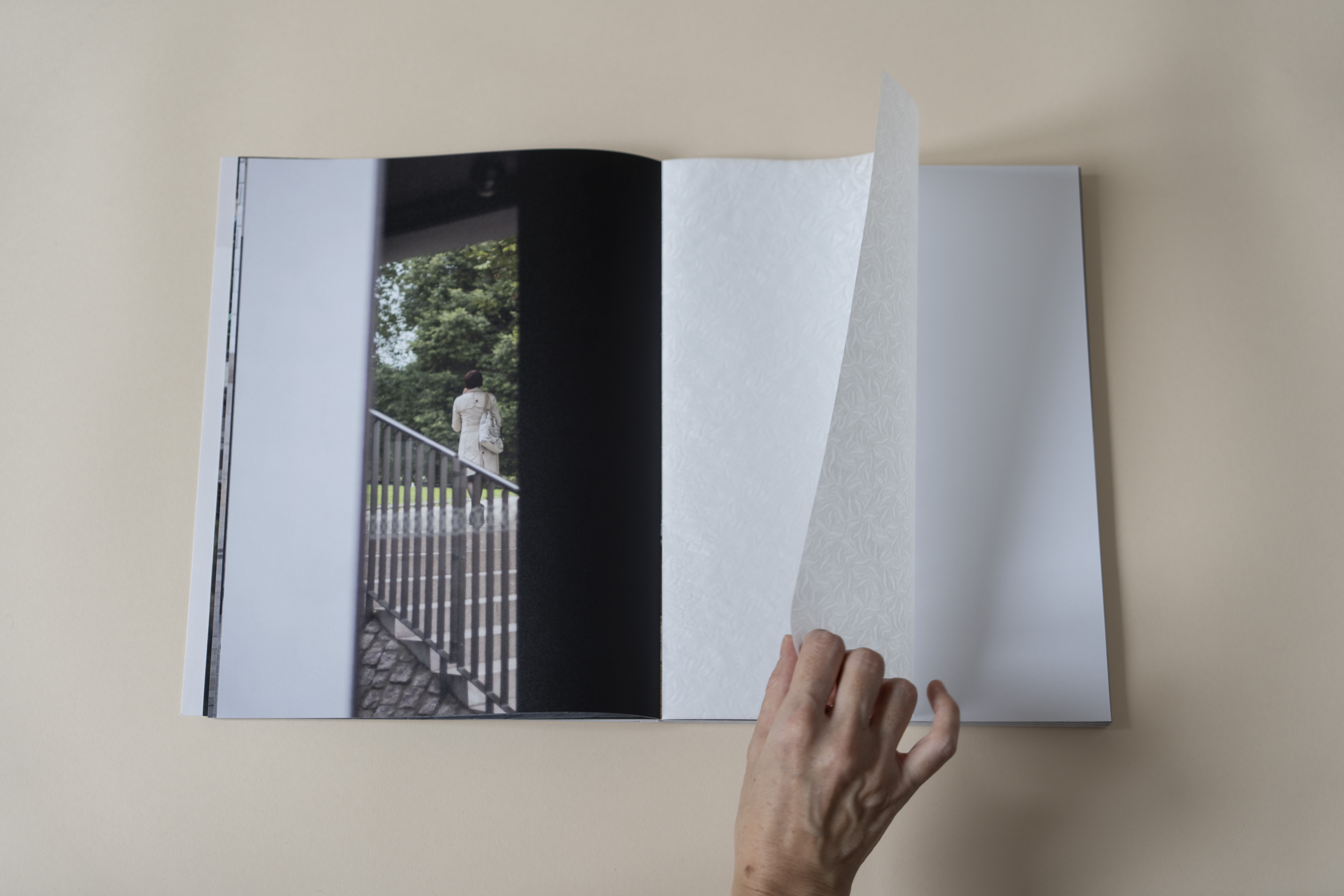
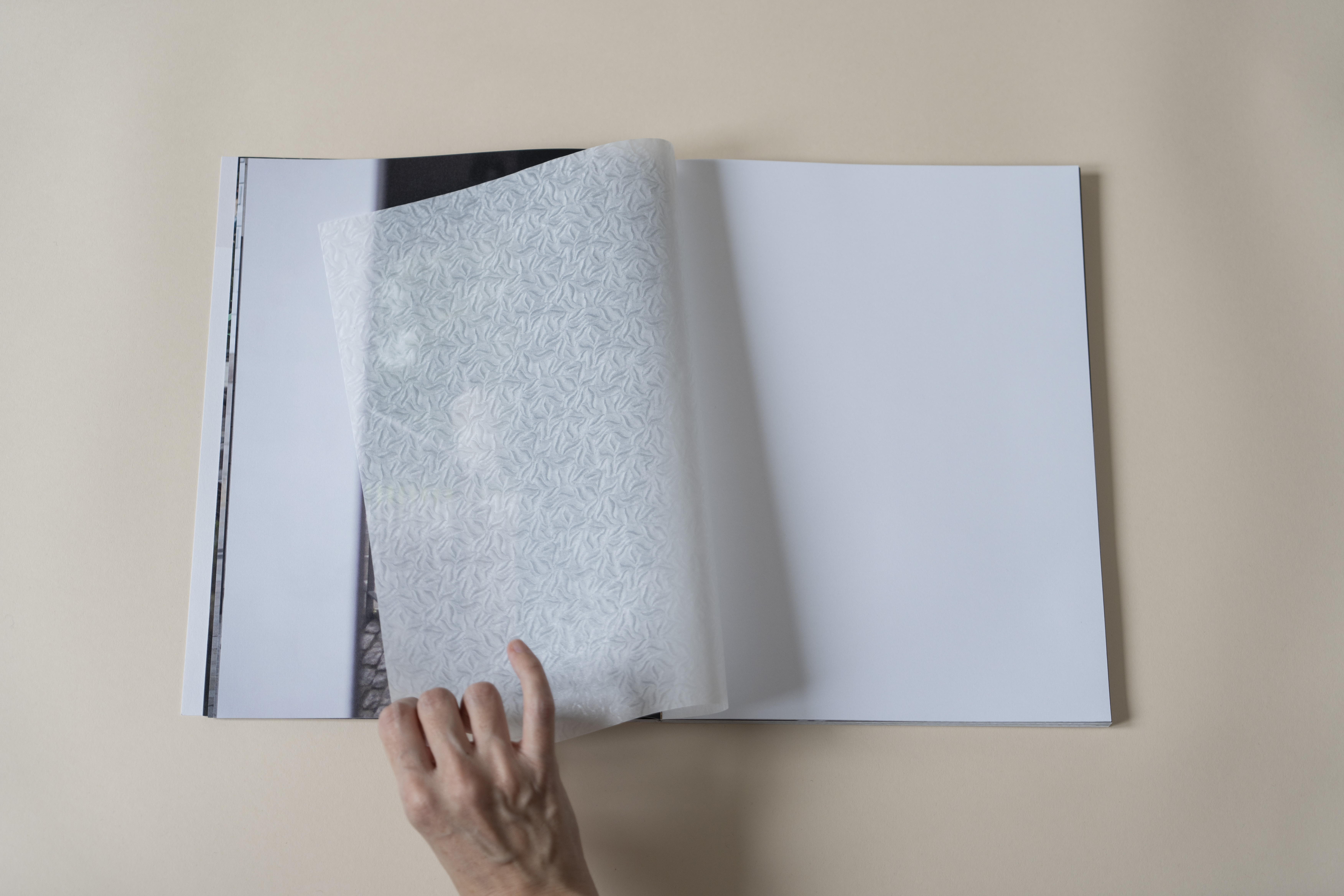
This is an espionage story based on real events that takes place in two different timelines. A first trip takes place in which an emergency visa and a change of identity must be made in order to continue as planned. Later, a find in an antique flea market shows another trip that actually happened first but appears later and helps to cook this story. Somehow, both journeys intertwine and dialogue with each other. In both registers there is an air of order and control. We find people being chased, architectures that look like a set, choreographed movements and women in beige trench coats.
But who is spying on them? Who are they working for? And more importantly, what is discovered?
Look closely, don't be fooled by perfect hair that could well be wigs or pastel-colored buildings that could be part of a facade. The real spy may be just around the corner.
124 pages
23x31 cm
Photography, Text and Graphic Design: Justina Leston
Editing: Lorena Fernández and Justina Leston
Cover Design: Magdalena Pardo
2023, Berlin, Germany.
metaninfas ediciones
Print-run: 200
ISBN 978-987-48588-3-2
see more


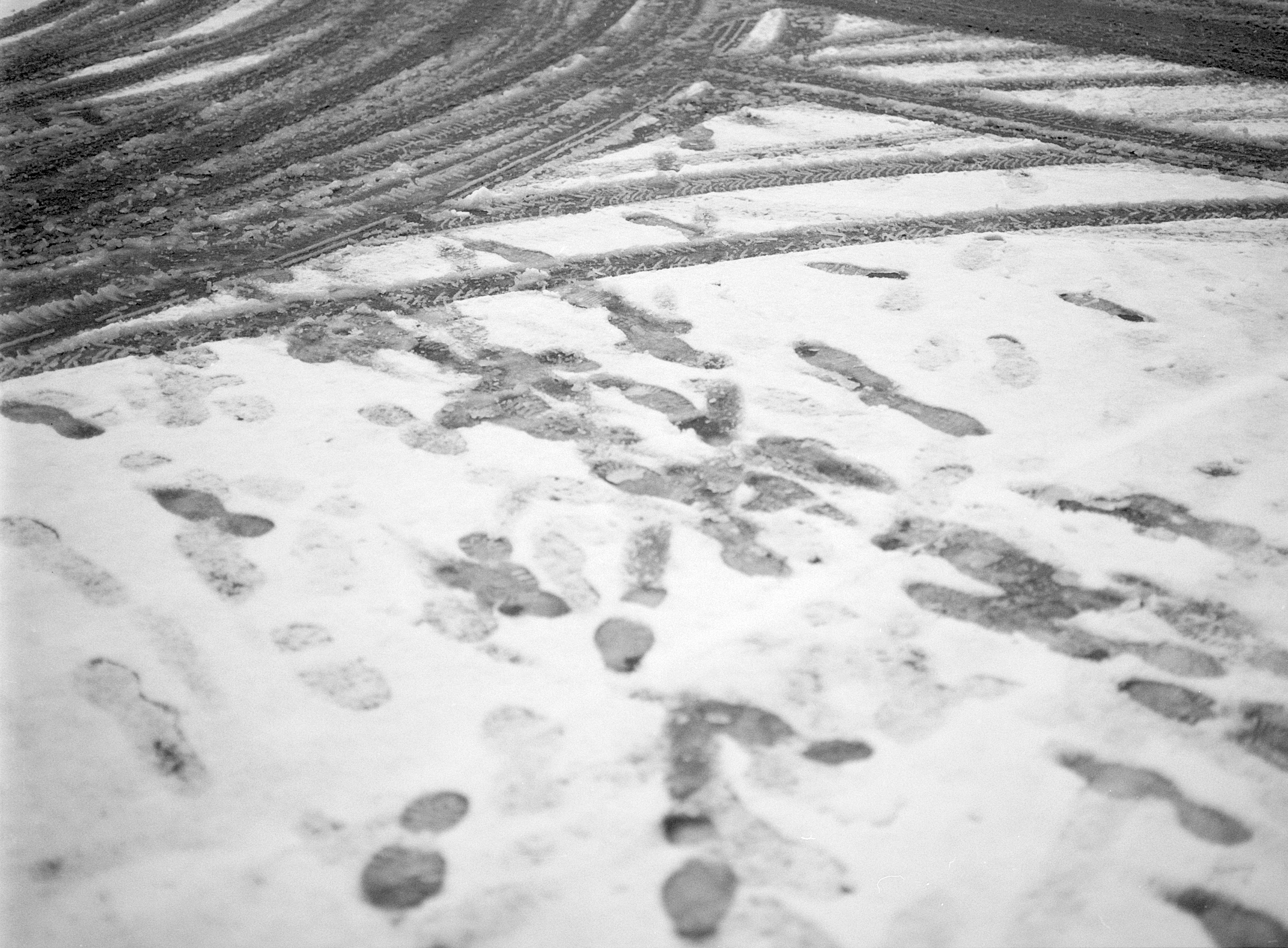
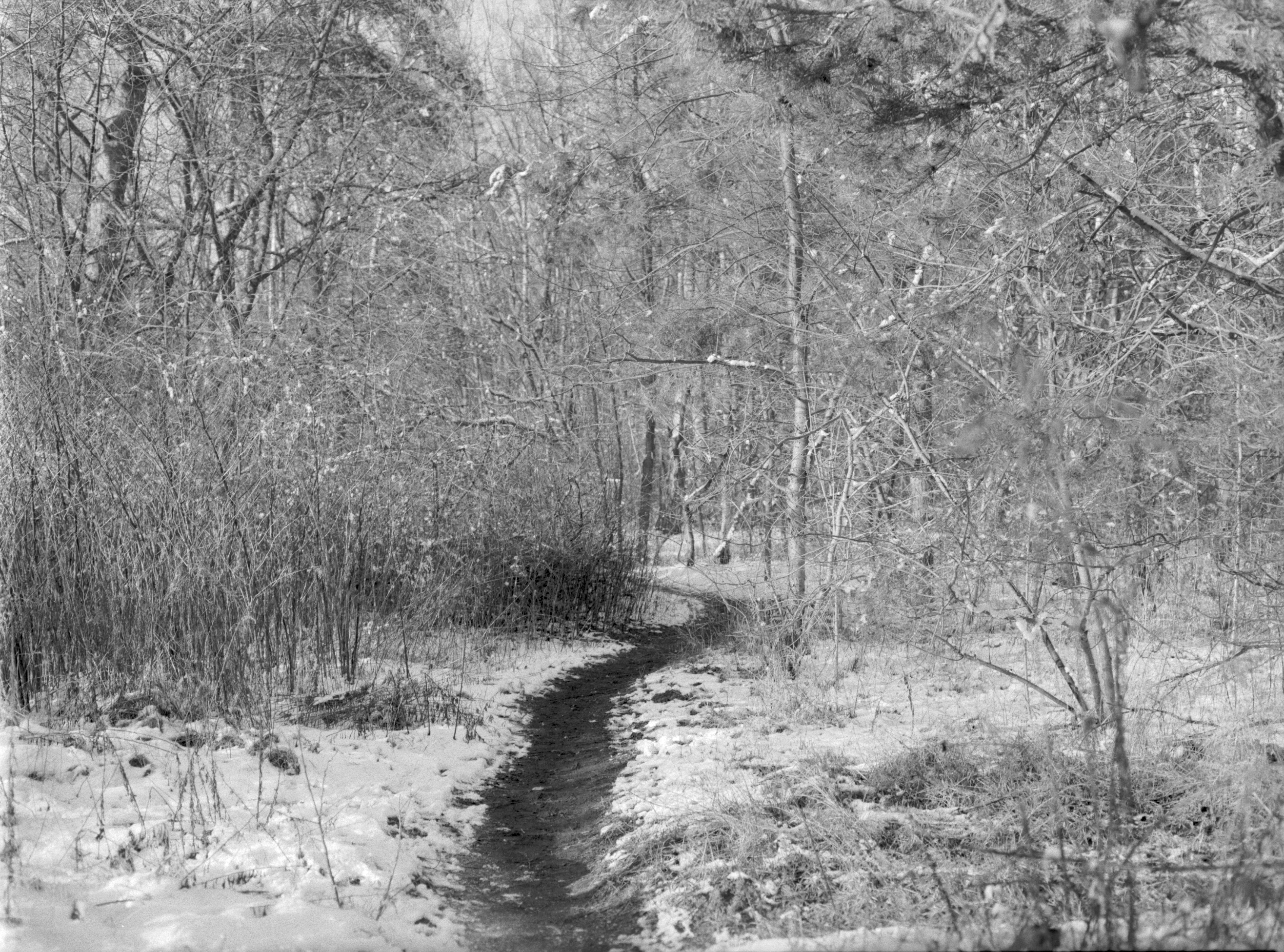


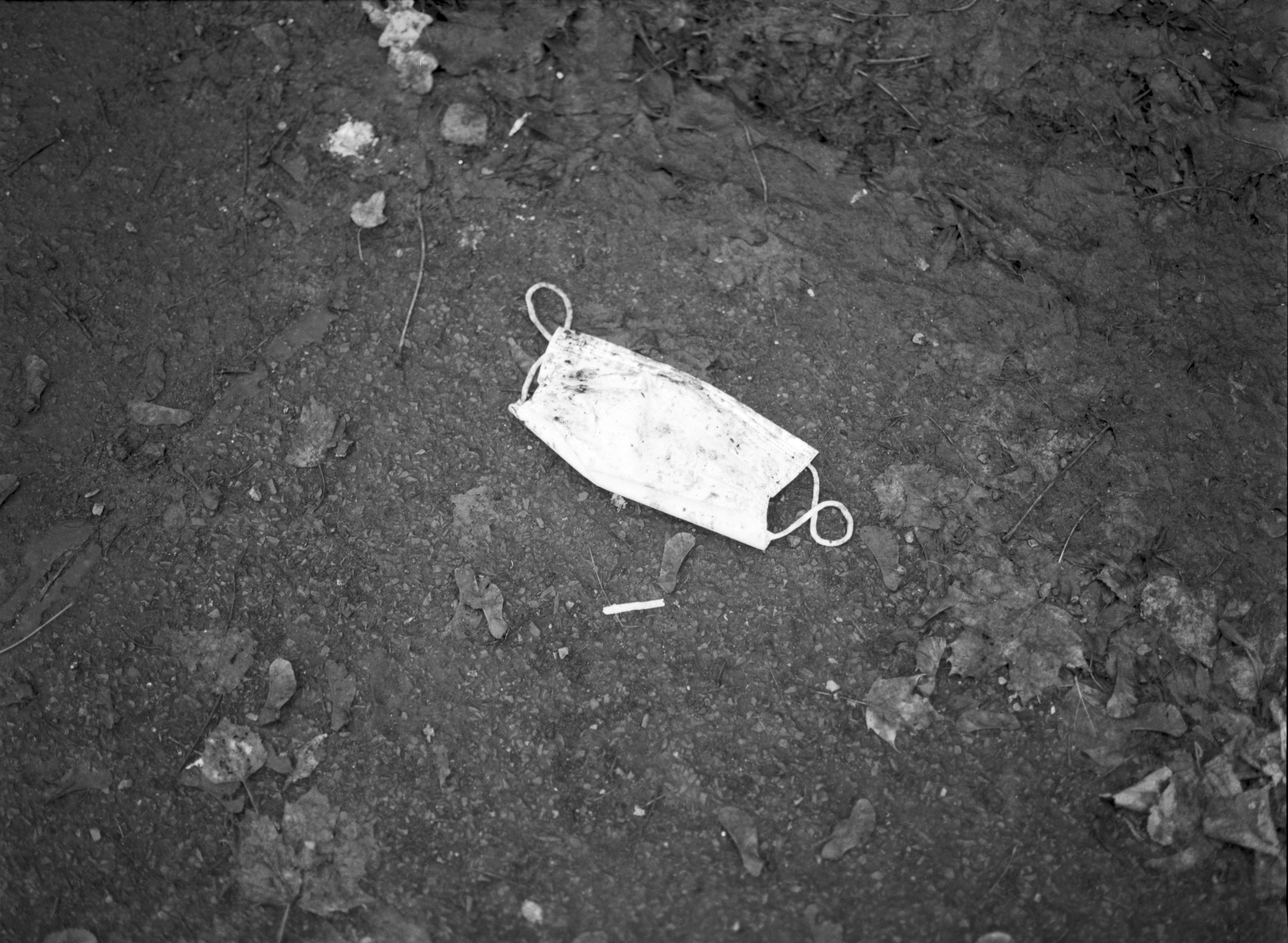
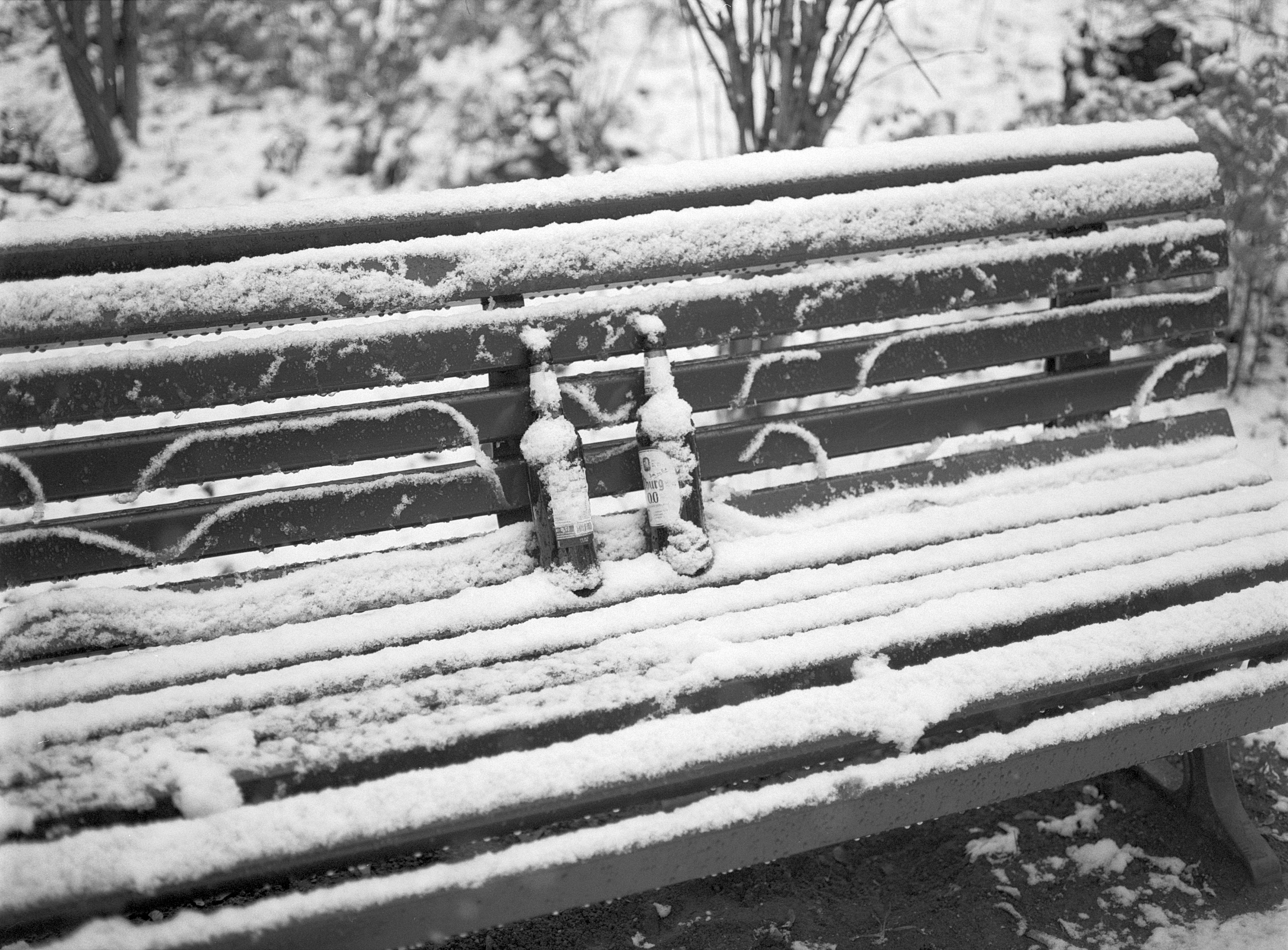


During the second lockdown that started last November 2020 I made different walks throughout Berlin in search of some kind of human contact and new forms of socialization.
This series of photos presented reflect about a specific time where we were forced to pause, to stop activities in order to take care of ourselves and to be able in the future to resume a life more similar to the one we knew before. This new normality, where time seemed to slow down, led me to reflect also on my own practice as an artist. To rethink about how I connected with the outside world through my photographic device.
It is here that the term flâneur takes on great relevance as it becomes the only activity allowed to take place outside while everything else remains closed. The aimless wandering, which is often pejoratively referred to as “wasting time,” is for my photographic practice extremely essential and opened for me to new psychological and spiritual meanings.
Consequently, I decided to dedicate more time to the process of creating images in a current era where we are generating millions of images per second. I decided to go back to analog, having a limitation on the number of photos I could take with film, spending more time developing and finally scanning. I wanted to take fewer photos but spend more time on each one. It was a kind of therapy where I just needed to slow down.
The result is urban and natural spaces without human presence but with the footprints of other people strolling.
I imagine that this documentation may serve in the future to value quiet and silence, the need to pause and take time for reflection.
see more

Choreography for two women and a child is a dance created for people who’s bodies need to readapt, learn new movements. Bodies that are going through some kind of transformation and need to move in different and new ways in order to preserve themselves. It is also a dance of empathy, on understanding other bodies and feel what they are going through.
This choreography was created by Natalia Dana and myself and performed together with her new born, Leon during the @tallerdepracticasartisticas workshop.
Buenos Aires - Berlin.
see more
This choreography was created by Natalia Dana and myself and performed together with her new born, Leon during the @tallerdepracticasartisticas workshop.
Buenos Aires - Berlin.
see more